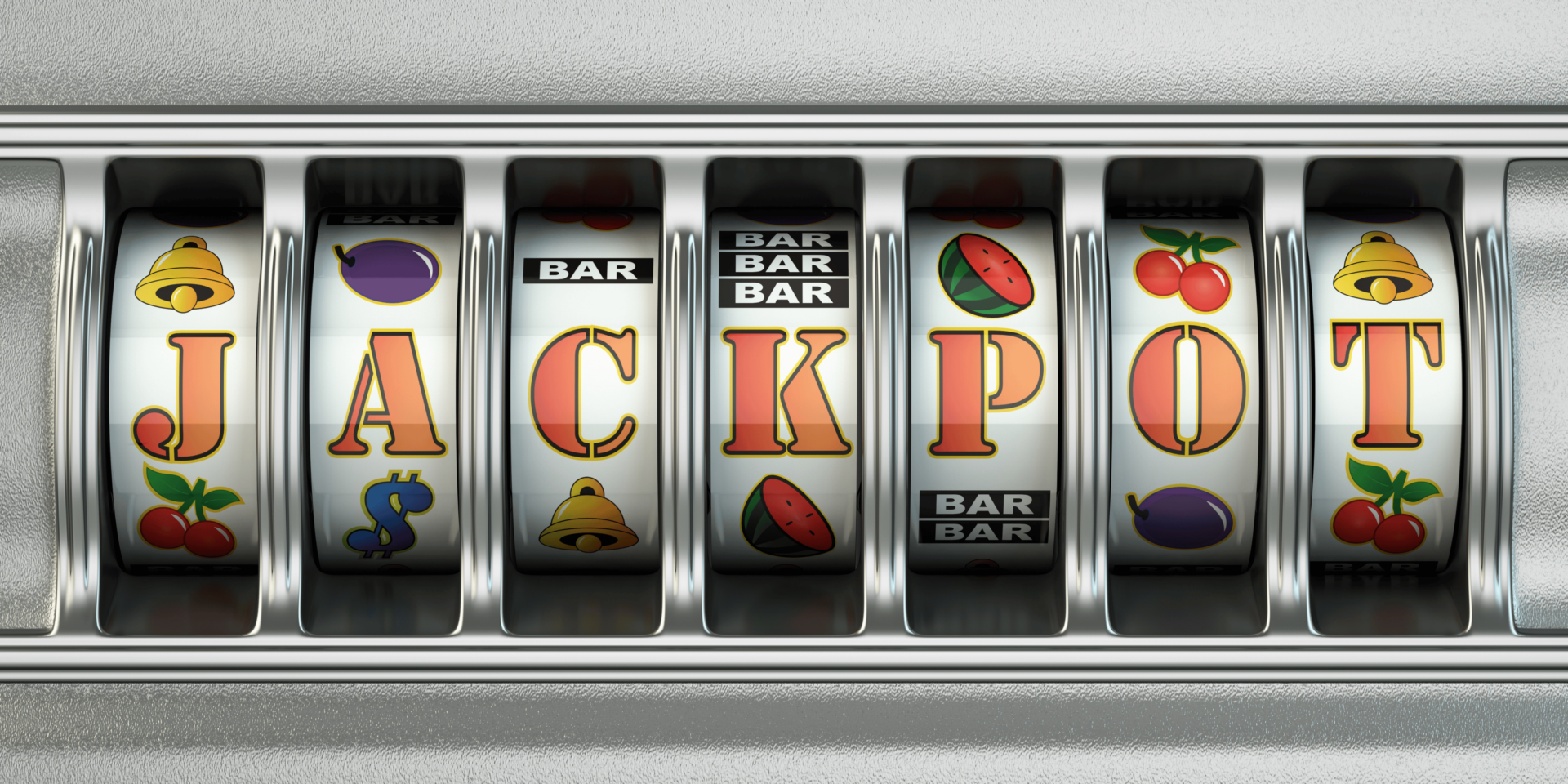
Memory Influences How Players Judge Fairness
Player memory plays a critical role in how fairness is perceived during sweepstakes casino gameplay. Even when outcomes follow strict rules or random number generators (RNGs), players often rely on how they remember past sessions to decide if a game feels fair.
As the player reflects on previous spins, they recall big wins, close losses, or dry streaks. These memories form the basis of their impression of the game. If recent experiences felt rewarding or balanced, the player views the game as fair—even if the mechanics haven’t changed. If past results seem too one-sided, their trust in the system may fade.
Emotional Memories Hold More Weight Than Statistics
While payout rates and volatility can be measured, players tend to trust what they remember feeling more than what they read. Strong emotional moments—whether positive or negative—are easier to recall and carry more influence than neutral or average results.
A player who once experienced a large win remembers the thrill clearly, even after dozens of smaller losses. That single event creates a lasting impression. It shapes how they view the overall fairness of the platform. On the other hand, a player who remembers a long streak of losses may perceive the game as rigged, even when probabilities were consistent.
Near-Miss Experiences Leave a Lasting Impression
Near-miss outcomes often feel more memorable than full losses. These moments trick the brain into believing a win was within reach. As a result, players are more likely to remember these instances and allow them to influence how fair the game feels over time.
During gameplay, the player sees two matching bonus symbols with the third just missing the final position. The visual and audio feedback increases emotional tension. Even though it’s technically a loss, the brain stores it as a meaningful event. Repeated near-misses lead the player to believe the game is teasing them, which shapes their belief about fairness and predictability.
Session Endings Shape Overall Impressions
Players often remember how a session ends more than how it begins. Whether they leave with a win, a loss, or after triggering a bonus, that last moment sticks. This final impression frames their memory of the entire experience and strongly influences whether they return.
After a long session, a player finishes with a moderate win. That outcome feels like a reward for their time, even if the total balance remains negative. Their memory of that ending colors how they recall the full session. If the game closes on a low point, the player may leave feeling defeated. This closing memory heavily impacts the perceived fairness of the platform.
Selective Memory Alters Win-Loss Balance
Players do not remember every outcome equally. They often recall wins more vividly than losses—or vice versa—depending on their emotional state. This selective memory affects how players estimate the fairness of a game, even when their perception does not match the actual results.
A player looks back at the week’s gameplay and only remembers one significant loss and a jackpot hit. They forget the long stretches of minor spins in between. This biased recollection causes them to misjudge their total performance and the slot’s behavior. The platform may seem fairer or less fair depending on which memories dominate their thinking.
Reinforcement Loops Are Built on Memory
Sweepstakes casinos often rely on reinforcement loops—patterns that reward players just enough to keep them returning. These loops work because players remember moments when rewards came after persistence, even if those rewards were rare.
A player spins repeatedly and finally triggers a bonus round. That sequence—struggle followed by reward—becomes a part of how they remember the game. The next time they play, they believe a reward will arrive if they stay in long enough. The memory of past reinforcement fuels new behavior and keeps the player engaged, regardless of overall outcome trends.
Perceived Fairness Depends on Recent Experiences
Recent events often outweigh older ones in shaping memory. If a player has several bad sessions in a row, even a history of good wins may be forgotten. This recency effect makes fairness feel unstable, even if the game’s algorithm remains unchanged.
A player who has played consistently for weeks without major complaints suddenly has two sessions with no bonuses or wins. These latest outcomes dominate their memory and alter their perception of fairness. They may feel like the game has changed, even when nothing in the backend logic supports that belief.
Bonus Rounds Become Anchors in Memory
Bonus rounds are high-impact events that players remember vividly. These moments often include unique visuals, sound effects, and larger payouts. They break the flow of regular spins and leave a strong emotional impression.
When a player thinks about a game’s fairness, they often recall how often they’ve triggered bonuses and what those bonuses paid. If they remember multiple bonuses with decent returns, they view the slot as balanced. If the bonuses felt rare or unrewarding, their memory suggests the game is stingy. The emotional impact of bonus rounds influences long-term trust in the gameplay experience.
Trust Builds or Fades Through Memory Patterns
Trust in sweepstakes casinos grows or declines over time, and that change is based on remembered outcomes. A single bad session rarely breaks trust. Repeated sessions with perceived unfairness, however, begin to shape a memory pattern that influences player decisions.
A player logs in and expects fairness based on previous wins. If the current session fails to meet that expectation, the emotional impact deepens. With each disappointing outcome, the player’s memory shifts, and trust erodes. Once this negative pattern becomes dominant in their mind, they may stop playing altogether, even if the game continues to operate within normal parameters.
Memory Shapes Return Behavior More Than Math
Players rarely return to a game because they studied payout tables. They return because they remember enjoying the experience, feeling rewarded, or believing they almost won. Memory—not math—drives long-term engagement and loyalty.
A player skips the technical breakdown of return-to-player percentages. Instead, they remember how exciting the game felt or how close they came to a major prize. That memory guides their decision to come back and try again. The feeling of fairness, built on memory, determines whether a game earns repeat attention or gets abandoned.
Memory Frames the Fairness of the Game
In sweepstakes casinos, perception matters as much as probability. Player memory acts as the lens through which every win, loss, and spin is judged. From near-misses and bonus rounds to session endings and reinforcement loops, what players remember shapes how fair they believe the game is.
Designers can’t change how memory works, but they can influence which moments players remember most. By understanding the emotional weight of memory, platforms can build experiences that feel balanced—even when luck remains unpredictable. In the end, the memory of fairness becomes just as important as the numbers behind the game.