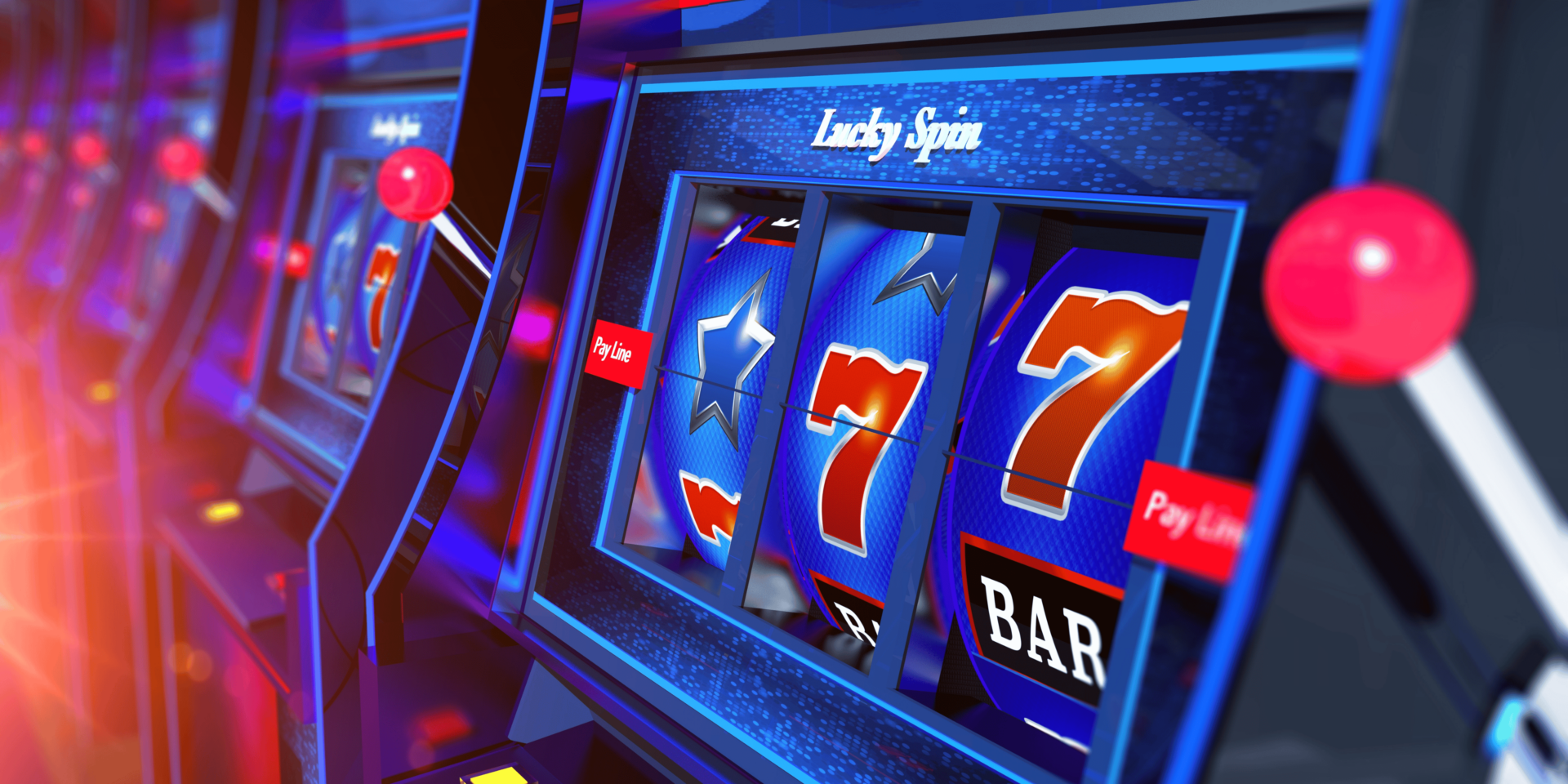
Sweepstake casino platforms are built to keep players invested through visual cues, emotional triggers, and design strategies that reinforce trust in future wins.
Every spin on a sweepstake game feels like a new chance to win. Players believe the next round could be the one that changes their outcome. This persistent belief isn’t just hope—it’s shaped by a system of feedback, design, and timing that keeps users engaged even when they’ve been losing.
Random Outcomes Are Designed to Feel Predictable
Sweepstakes games use randomized results, but their presentation creates a sense of pattern.
Most sweepstake games run on Random Number Generators (RNGs), which produce unpredictable results. However, game designers structure outcomes in ways that simulate streaks, near wins, or alternating losses. These patterns aren’t real, but they feel familiar, which encourages players to keep spinning.
In a realistic scenario, a user experiences a near miss where two jackpot symbols land with the third just one space away. The outcome is random, but the presentation makes it feel intentional. This builds belief that the next spin is more likely to deliver a win.
Near Wins Increase Player Confidence
Close calls trigger emotional responses that make players feel they’re improving their odds.
A near win does not result in a payout, but the way it’s displayed can feel more rewarding than a complete loss. The brain interprets this as progress. This psychological response encourages the belief that a win is just one more spin away.
A user spins and sees symbols nearly align. The flashing lights and celebratory sound effects heighten the moment. The result is still a loss, but the visual reinforcement builds trust in the idea that winning is close—even when the odds haven’t changed.
Emotional Momentum Drives Continued Play
Players trust the next spin more when they experience small wins or streaks that boost motivation.
Frequent minor payouts, even when they are smaller than the bet, create a sense of forward motion. This momentum makes it easier for players to justify continuing. The idea that something is working—even slightly—fuels belief that something bigger is coming.
During a session, a user hits several low-value wins across a few minutes. These don’t replenish their balance, but the visual and audio feedback reinforces the idea of progress. The platform keeps the player invested by making them feel like they’re building toward something.
Sound and Visual Effects Simulate Success
Game interfaces pair wins and near wins with music, animation, and motion to create emotional impact.
Each time a spin lands on a prize—big or small—the game responds with celebratory effects. These cues are consistent, loud, and bright. They are used regardless of actual reward value. This consistent reaction builds a belief that winning is happening more often than it is.
A player hears a rising tone and sees coins drop on screen, even though the payout was minimal. Over time, the repetition of this reaction strengthens the feeling that wins are frequent and success is possible with the next spin.
Losses Are Softened Through Visual Framing
Game design reduces the emotional impact of losses by displaying partial wins or interactive elements.
Sweepstakes games rarely show a clean “loss” screen. Instead, they use partial matches, slow-motion reveals, or spinning animations that make even unsuccessful rounds look exciting. This design minimizes disappointment and encourages players to stay positive about what comes next.
A user sees matching symbols line up across two reels, with a slow roll revealing a near match on the third. Even though there’s no payout, the interface presents it as suspenseful rather than discouraging. This softens the experience of losing and maintains the belief that the game is still fair.
Intermittent Rewards Strengthen the Belief Loop
Randomly timed rewards are more effective at holding attention than predictable patterns.
Sweepstakes platforms space out meaningful rewards to keep players engaged over longer sessions. This is called variable-ratio reinforcement. The unpredictability of the reward schedule creates anticipation. Players don’t know when the next win will come, but they stay focused because it could happen at any time.
A player continues spinning despite a string of losses, hoping the next spin resets the streak. They trust the system will eventually reward them, because it has before. This system builds persistence through unpredictability, not outcome quality.
Bonus Features Create Anchors of Hope
Trigger-based features such as free spins or multipliers act as emotional incentives to keep playing.
Most sweepstake games include bonus rounds that promise higher rewards. These are not always frequent, but their presence gives players something to chase. When a game hints that a bonus round is near, it creates anticipation and increases the chance a player will stay.
In a session, a user sees two bonus symbols appear, needing a third to activate the round. The excitement of getting close strengthens their belief that it will happen soon. This mechanic anchors the player’s attention, even if the bonus round doesn’t activate.
Promotional Language Reinforces Belief in Timing
Sweepstake platforms use messaging that suggests better odds during specific times or events.
Phrases like “Now’s your chance,” “Hot streak incoming,” or “Today only” imply that players are more likely to win right now. While these phrases don’t reflect real changes in odds, they influence how users perceive timing and opportunity.
A player logs in after receiving a message about a “limited-time win event.” They start spinning immediately, believing the timing improves their chances. Even without a change in the game’s mechanics, the message changes the player’s perception of when wins are most likely.
Memory Bias Reinforces Past Wins
Players remember wins more vividly than losses, which shapes future expectations.
When reflecting on gameplay, users are more likely to recall significant wins than the slow loss of balance over time. This memory bias fuels belief in the game’s fairness and possibility. Even if most sessions result in net losses, the few high points carry more emotional weight.
A player re-engages with a sweepstake platform they haven’t used in a week. They remember a large win, not the many spins that led up to it. That memory convinces them the platform is worth another try. The design rewards and amplifies these emotional highs.
Belief Is Built Into the Experience
Sweepstake casinos reinforce trust in future wins through design, psychology, and reward cycles.
What keeps players spinning isn’t just luck—it’s belief. That belief is shaped by near wins, sensory feedback, timed rewards, and emotional memory. Platforms use this design to create trust in the system and encourage continued play, even when outcomes don’t support it.
Recognizing how these mechanics operate gives players better insight into their behavior. Trusting the next spin may feel natural, but it’s often the result of a carefully built system designed to make every moment feel full of potential—even when the odds remain the same.